


6016 Aluminum
People searching for 6016 aluminum usually have one practical goal: confirm whether it is the right material for a formed, paint-finished part that needs stable quality at scale. Below are 5 high-intent questions that have been trending across Google and Q&A threads recently, with supplier-style answers focused on real purchase decisions.
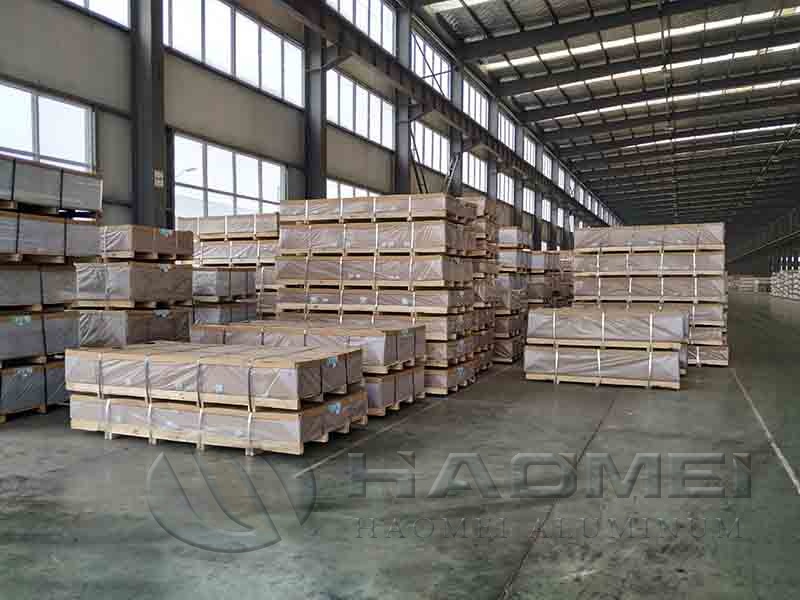
1. What is 6016 aluminum used for, and why is it common in car outer panels?
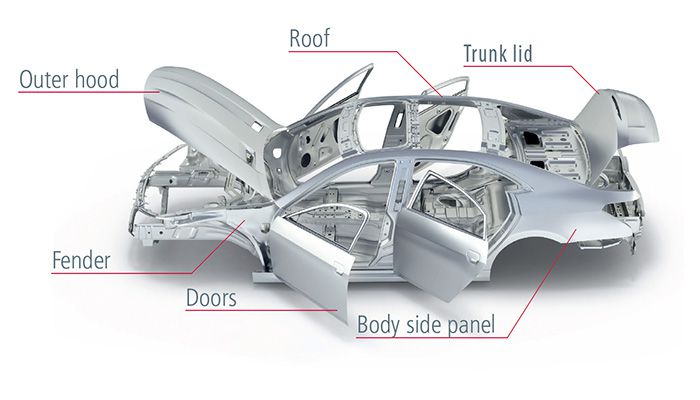
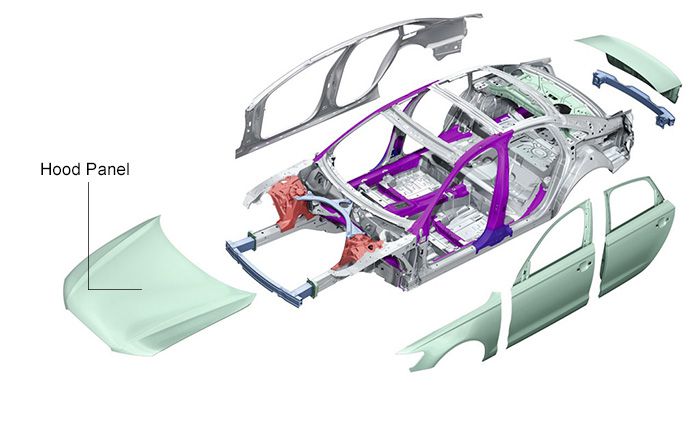
6016 aluminum is a 6xxx series Al Mg Si alloy valued for a balance of formability, surface quality, and paint bake response. In automotive programs it is widely used for outer panels such as doors, hoods, and fenders because it can be delivered in a soft, formable temper for stamping, then gain strength during the paint bake cycle.
What makes 6016 stand out for outer skin parts is not just strength. It is the combination of:
Good deep draw and stretch formability in delivery temper.
Bake hardening potential after forming.
Surface that can be controlled for visible Class A applications.
Compatibility with common conversion coating and paint systems.
If you are sourcing specifically for automotive skins, it is useful to compare availability and typical specs under a dedicated product page like 6016 Aluminium Alloy for Car Body, then align that with your stamping and paint line conditions.
2. Is 6016 aluminum stronger than 6061, and can I substitute one for the other?
This is one of the most common substitution questions. The practical answer is: do not substitute based on alloy number alone, because temper and process route matter more than many buyers expect.
6061 is often selected for structural parts where higher strength in T6 is desired.
6016 is often selected for formed panels where excellent formability in T4 or similar is needed, plus strength increase after paint bake.
In many cases, 6061 T6 will be stronger than 6016 in typical panel tempers, but it is also usually less forgiving in complex stamping. If your part is primarily a stamped skin with tight surface requirements, 6016 is usually closer to the intent. If your part is a bracket or structural element needing high static strength and machined features, 6061 is often the better baseline.
If you want a family level comparison, it helps to frame 6016 within the broader 6xxx alloy group, then choose based on forming severity, bake cycle, joining method, and corrosion environment.
3. What temper is best for stamping, 6016 T4 or T6, and what does bake hardening mean?
For stamping, 6016 is commonly supplied in a solution treated and naturally aged condition such as T4. The idea is straightforward: you want the material soft enough to form without splitting, while still holding shape.
Bake hardening means the material increases in yield strength during the paint bake, typically after forming. Your exact gain depends on:
Pre strain from stamping.
Bake temperature and time, for example around 170 C to 200 C for typical paint ovens.
Time between forming and bake, because natural aging continues.
If you buy 6016 already in a peak aged temper like T6, you may gain strength but you generally lose formability and may see higher risk of cracking in tight radii. That is why for complex outer panels, buyers usually specify a forming friendly temper, then rely on the bake cycle for the final property target.
Quick reference: typical selection logic
| Decision point | 6016 in a formable temper like T4 | 6016 in a stronger temper like T6 |
|---|---|---|
| Deep draw, sharp features | Better | Riskier |
| Surface stability after forming | Good with correct process | Can be stable but harder to form |
| Final strength after paint bake | Designed for this route | May not need bake hardening |
| Common use | Outer panel stampings | Less common for skins |
Always confirm the required mechanical property window with your part drawing or OEM spec, because different standards and mills can define temper targets differently.
4. How does 6016 compare with 6111 or 6014 for dent resistance and outer panel quality?
This question appears often because buyers want the best dent resistance without losing formability or surface.
General positioning in many automotive applications:
6014 tends to be chosen when very high formability is needed.
6016 is a mainstream outer panel alloy balancing formability and post bake strength.
6111 is often chosen when higher post bake strength and dent resistance are prioritized, sometimes for more demanding outer panel requirements.
However, dent resistance is not only alloy. It is a system result influenced by:
Final gauge and part geometry.
Bake cycle and paint process.
Work hardening from forming.
Hemming and assembly constraints.
If your internal target is dent resistance at the lowest possible gauge, you may evaluate 6111. If you are trying to reduce splits and surface defects on complex shapes, 6016 is often easier to run. For many programs, the difference comes down to how aggressive the forming is, and how much bake hardening you can reliably achieve.
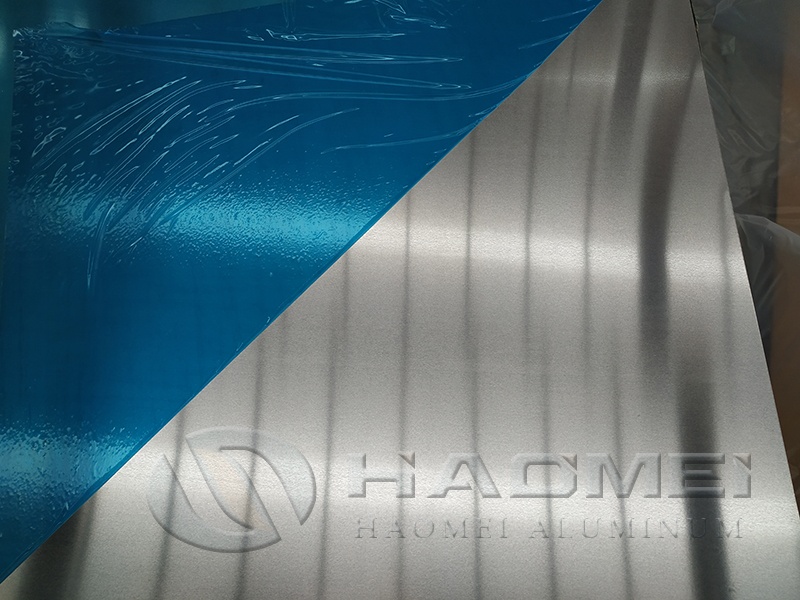
5. Is 6016 aluminum easy to weld, and what about corrosion and surface finishing?
Welding: As a 6xxx series alloy, 6016 can be welded, but the heat affected zone will usually lose strength relative to a hardened condition. For panels, resistance spot welding is common in automotive lines. For other joining methods, many buyers also evaluate adhesive bonding, riveting, or hybrid joining depending on fatigue needs and surface requirements.
Corrosion: 6016 generally offers good atmospheric corrosion resistance typical of aluminum magnesium silicon alloys. The real world performance depends on:
Pretreatment and paint system.
Galvanic coupling to dissimilar metals.
Edge protection and sealing.
Surface finishing: For visible panels, surface consistency matters as much as alloy choice. When requesting quotes, specify the surface class expectations, cleaning and lubrication requirements, and whether you need one side or both sides controlled. Also clarify if you need tight flatness for blanking, or if your process can tolerate some coil set and requires leveling.
Practical RFQ checklist for 6016 aluminum
| Item to specify | Why it matters |
|---|---|
| Temper and property window | Determines formability and final strength |
| Gauge and width tolerances | Affects stamping stability and scrap rate |
| Surface class requirement | Controls risk of paint appearance issues |
| Lubrication and packaging | Reduces transit damage and stamping variation |
| Intended joining method | Influences chemistry limits and process advice |
These are the details that typically separate a smooth trial run from repeated die tuning and unexpected rejects, especially for outer skin parts where appearance and consistency are critical.
Original Source:https://www.autoaluminumsheet.com/a/6016-aluminum.html
Tags: 6016 aluminum , 6016 alloy , 6016 T4 , automotive aluminum ,
Prev:6016 T4 Aluminum
Related Product
Related Blog
Related Application
Contact Form
Products
Application

 ©
Haomei Aluminum CO., LTD..
©
Haomei Aluminum CO., LTD..